


PTFE (Polytetrafluoroethylene), a material woven from fiberglass and coated in Teflon, stands as a testament to innovation in the world of architecture and construction. Known for its exceptional qualities, PTFE is synonymous with longevity, durability, and efficiency, making it an ideal choice for tensile membrane structures. This blog post will delve into the fascinating world of PTFE, exploring its properties, benefits, and applications in modern architecture.

What is PTFE?
At its core, PTFE is a high-quality woven fiberglass membrane coated in Teflon Polytetrafluoroethylene. This coating imbues the fabric with remarkable resistance to weather, fire, and UV rays. PTFE’s durability is unparalleled, boasting a life expectancy that exceeds 30 years, supported by a warranty range of 12-15 years – a testament to its reliability and quality.
In addition to its temperature resistant properties, PTFE can either be spot-welded or sewn, enhancing fabric strength while eliminating concerns related to creases and splitting from material flexing. This makes PTFE not just strong, but adaptable and versatile for various applications.

Lighting and Sound Absorption
PTFE’s benefits transcend its physical strength and temperature resilience. The material possesses a unique ability to evenly disperse light, reducing the dependency on artificial lighting. Moreover, PTFE embodies remarkable sound absorption properties. Its air permeability and flexibility facilitate exceptional external noise isolation while enhancing acoustics within, making it an excellent choice for facilities where sound management is crucial, from small rooms to large stadiums to aquatic centres.
Low Maintenance, High Aesthetics
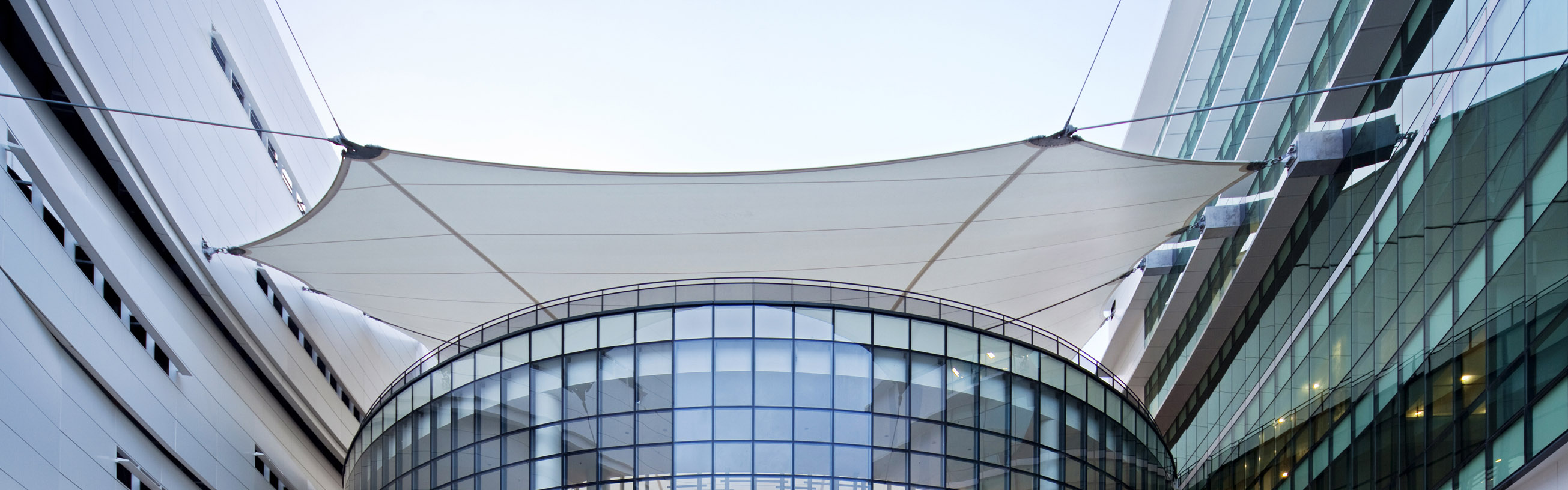
Perhaps one of the most appealing aspects of PTFE is that it’s low maintenance yet aesthetically pleasing. Exposed to UV light, the material undergoes a bleaching effect, maintaining a bright and clean look over time. Combined with its self-cleaning properties courtesy of the Teflon coating, PTFE structures remain resistant to moisture, dirt, and stains, ensuring that they retain their brilliance long after installation.

Applications in Modern Architecture
PTFE’s versatility and durability render it a prime candidate for a broad spectrum of architectural applications. From creating expansive, airy spaces in airports and sports facilities to offering innovating solutions for environmental structures and car parks, PTFE fabric is reshaping the way architects and engineers think about building materials and design.
In stadiums and aquatic centres, PTFE not only provides a durable roof but also enhances the experiences of spectators through its sound absorption and lighting dispersion capabilities. For environmental applications, it offers a robust yet aesthetically pleasing covering that withstands harsh conditions while integrating seamlessly with the surroundings.
As the world moves towards more innovative and sustainable architectural solutions, PTFE is set to play a pivotal role in shaping the future of construction and design. Its application in lightweight membrane structures is just the beginning.
Want to learn more about PTFE? Visit our PTFE Knowledge page here.

