


The modern construction landscape is rapidly evolving, with an increasing focus on materials that offer durability, flexibility, and sustainability. Among the rising stars in this architectural revolution is Polyvinyl Chloride (PVC). Used in construction, especially in coated polyester forms for tensile membrane structures, PVC has marked a significant shift towards innovative, versatile building solutions.

Versatility in Construction
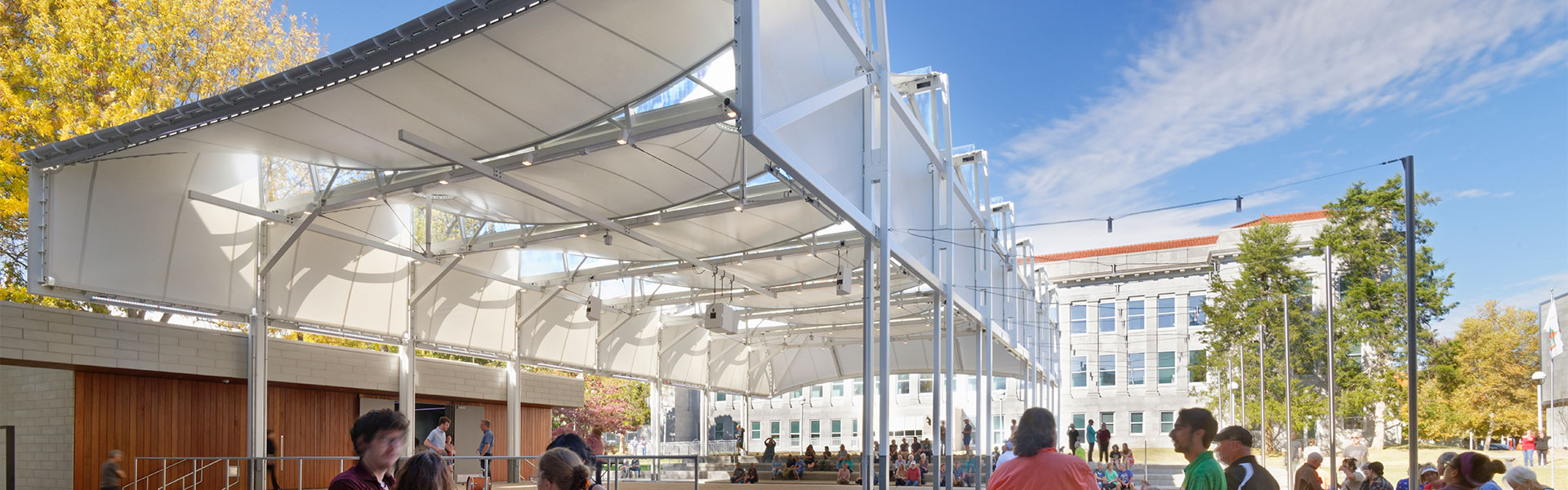
PVC’s adaptability shines across various construction scenarios, revolutionising how buildings and infrastructure are conceived and constructed. From majestic sports facilities to grand entertainment venues, and even intricate environmental structures, PVC-coated polyester offers a blend of strength, waterproof properties, flexibility, and durability. This material suits both permanent and temporary structures, underlining its unmatched versatility.
In sports facilities, PVC provides robust yet lightweight roof structures that shield athletes and fans alike from the elements without the need for massive support structures. Entertainment venues benefit from PVC’s aesthetic flexibility, allowing for eye-catching designs that stand out. Even in environmental structures, PVC’s lightweight and durable nature makes it an ideal choice for eco-friendly building solutions, such as covered walkways, car park structures, and outdoor classrooms, melding seamlessly with their surroundings while providing long-lasting service.
The ability of PVC to be folded marks a paradigm shift towards retractable and temporary constructions, such as tents and warehouses used in various industries, including mining and event management. This attribute not only enhances the material’s versatility but also caters to the increasing demand for spaces that can adapt to changing requirements without sacrificing longevity.

Sustainability: A Cornerstone for Tomorrow
Amid growing environmental concerns, PVC emerges as a beacon of sustainability in the construction sector. Classified as a recyclable fabric, PVC aligns with green building principles, offering an eco-friendly alternative to traditional rigid roofing materials. The process of recycling PVC, which involves melting down the fabric to be repurposed, underscores a commitment to sustainability without compromising the material’s integrity or lifespan.
This recyclability is a crucial factor in construction decisions, spotlighting PVC’s role in fostering responsible building practices that minimise environmental impact. By choosing PVC, architects and builders contribute to a circular economy, reducing waste and promoting the use of materials that can find new life after their initial application.

Technical Advantages: Catering to Professional Needs
Professionals in the construction industry continually strive to understand materials better, seeking out options that combine practical benefits with technical superiority. PVC stands out with its remarkable array of technical advantages, including its exceptional durability, sound absorption qualities, and minimal maintenance needs.
The material’s lifespan, ranging approximately between 15 and 30 years based on environmental factors and the chosen PVC grade, offers assurance of its enduring nature. Additionally, PVC fabric’s ability to reflect around 89% of solar energy while allowing for visible light transmission provides energy-efficient solutions that can lead to significant savings and comfort in building interiors.
Sound absorption is another area where PVC demonstrates its remarkable performance. Tailored coatings can enhance the material’s ability to absorb sound, making it ideal for environments that demand aural comfort, from bustling indoor aquatic centres to intimate spaces where acoustics play a pivotal role.
When it comes to maintenance, PVC requires minimal efforts, especially when compared to other materials. Although some maintenance is essential to preserve its aesthetic and functional qualities, the addition of lacquers and other coatings can significantly prolong its life and reduce upkeep demands, underscoring PVC’s value proposition in long-term applications.
Looking Ahead
The versatility, sustainability, and technical prowess of PVC position it as a compelling choice for the future of construction. As professionals and enthusiasts navigate the complexities of modern building requirements, PVC offers a promising path that reconciles the need for durable, flexible, and sustainable construction materials.
By embracing PVC in various projects, from the mundane to the magnificent, the construction industry can step boldly into a future where design creativity, environmental responsibility, and functional demand converge, leading to spaces that are no only aesthetically pleasing but also kind to our planet and conducive to our evolving lifestyles. The journey of integrating such innovative materials such as PVC into construction heralds a new era of building, where dreams take shape in forms as versatile and enduring as the human spirit they embody.
Want to learn more about PVC? Visit our PVC Knowledge page below!
